
Heart Failure Awareness in Northeast Nigeria
Heart failure is a chronic condition where the heart cannot pump enough blood to support the body's needs. This can result in complications such as heart attack, stroke, and kidney issues. Timely detection and treatment are critical to managing heart failure and improving outcomes. This can involve lifestyle modifications such as a healthy diet, regular exercise, and quitting smoking.

Source: Shutterstock
Heart failure is a critical and life-threatening health issue affecting millions globally, including those in Northeastern Nigeria. The region has a high incidence of heart failure due to factors like unhealthy lifestyles, inadequate medical care, poverty, and malnutrition. The goal of this post is to raise awareness about heart failure in Northeastern Nigeria and educate people on the importance of early detection and treatment. Heart failure is one of the leading causes of death in Northeastern Nigeria. Despite its high prevalence, many people in the region are unaware of its signs and symptoms, making early detection and treatment challenging. Non-communicable diseases, including cardiovascular diseases, contribute to 29% of all deaths in Nigeria, as reported by the World Health Organization (WHO) in 2016.
Factors Contributing to Heart Failure in Northeast Nigeria
Heart failure is a growing problem in North East Nigeria, and it is a serious and life-threatening condition that affects millions of people in the region. There are many different causes of heart failure, and understanding these causes is essential for preventing and managing this disease. In this essay, we will explore the most common causes of heart failure in North East Nigeria.
One of the leading causes of heart failure in North East Nigeria is hypertension or high blood pressure. Hypertension is a major risk factor for heart disease and is a leading cause of heart failure. When blood pressure is elevated, the heart must work harder to pump blood, which can cause the heart muscle to enlarge and weaken over time. This can lead to heart failure, as the heart is unable to pump enough blood to meet the body's needs.

Source: WoundDoc
Diabetes is another leading cause of heart failure in North East Nigeria. People with uncontrolled diabetes are at a higher risk of developing heart disease, as high blood sugar levels can damage blood vessels and increase the risk of heart disease. Additionally, people with diabetes are more likely to develop other conditions that can increase their risk of heart failure, such as high blood pressure and high cholesterol levels.
Coronary artery disease (CAD) is another common cause of heart failure in North East Nigeria. CAD occurs when there is a build-up of plaque in the coronary arteries, which can reduce blood flow to the heart and increase the risk of heart disease. This can lead to heart attack and heart failure, as the heart is unable to pump enough blood to meet the body's needs.

Source: Business Mirror
Valve disease is another cause of heart failure in North East Nigeria. The heart has four valves that control the flow of blood in and out of the heart. When these valves are diseased or damaged, they may not work properly, which can cause the heart to work harder to pump blood. Over time, this can lead to heart failure, as the heart is unable to pump enough blood to meet the body's needs.
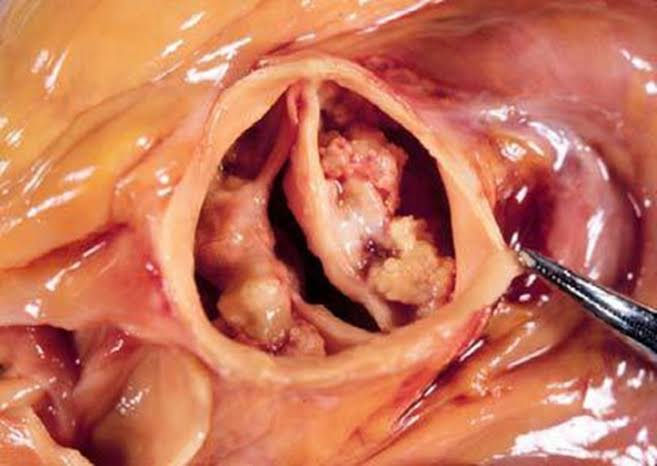
Source: Research Gate
Cardiomyopathy is another cause of heart failure in North East Nigeria. Cardiomyopathy refers to diseases of the heart muscle, which can weaken the heart and increase the risk of heart failure. There are several types of cardiomyopathy, including dilated cardiomyopathy, restrictive cardiomyopathy, and hypertrophic cardiomyopathy.
Congenital heart defects are another cause of heart failure in North East Nigeria. These are heart defects that are present at birth and can cause heart failure over time. Congenital heart defects can cause the heart to work harder to pump blood, which can weaken the heart and increase the risk of heart failure.
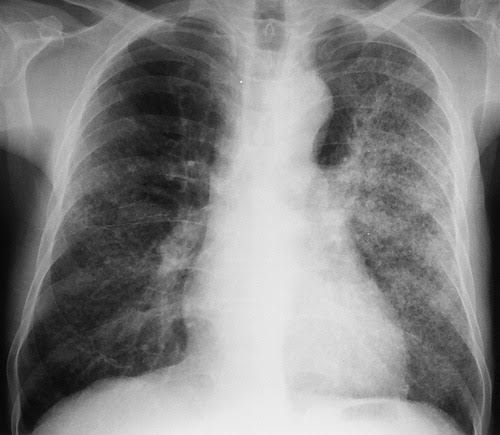
Source: Medscape
Finally, the pulmonary disease is another cause of heart failure in North East Nigeria. Chronic lung diseases like emphysema and chronic obstructive pulmonary disease (COPD) can reduce the amount of oxygen that is available to the heart, which can cause the heart to work harder to pump blood. Over time, this can lead to heart failure, as the heart is unable to pump enough blood to meet the body's needs.
Preventing Heart Failure in Northeast Nigeria
To prevent heart failure in this region, several steps can be taken.
Promote healthy lifestyles: Encouraging people to maintain a healthy lifestyle is key to preventing heart failure. This includes advising people to quit smoking, exercise regularly, maintain a healthy diet and limit their alcohol intake.
Early detection and management of cardiovascular diseases: Regular check-ups, screenings, and monitoring of blood pressure, cholesterol, and glucose levels can help detect cardiovascular diseases early and manage them effectively.
Manage other medical conditions: Chronic medical conditions such as diabetes and hypertension can increase the risk of heart failure. Effective management of these conditions can help reduce the risk of heart failure.
Improve access to healthcare services: Improving access to healthcare services in North East Nigeria can help people receive timely diagnosis and treatment of cardiovascular diseases, including heart failure.
Education and awareness: Raising awareness about heart failure and its risk factors among the population can help people take steps to prevent heart failure. Education campaigns can also encourage people to seek medical help if they experience symptoms.
Improve healthcare infrastructure: Improving healthcare infrastructure in North East Nigeria can help provide better access to healthcare services and improve the quality of care provided.
Heart failure is a serious and growing health concern in Northeastern Nigeria, with a high prevalence of cases and a pressing need for increased awareness and access to resources. It is also crucial to raise awareness about the condition in Northeastern Nigeria to promote early detection and diagnosis and to provide support and resources to those affected by heart failure. This will improve health outcomes and reduce the impact of the condition in the region.
The increasing recognition of Heart failure as a serious health concern, combined with advances in diagnostic and treatment options, offers hope for a brighter future for those affected by the condition.
Continued research and advocacy, along with increased public education efforts, will be crucial in raising awareness about Heart Failure in Northeastern Nigeria and bringing attention to the needs of those affected. With the right resources and support, it is possible to reduce the impact of Heart failure in the region and improve the lives of those affected


Comments