
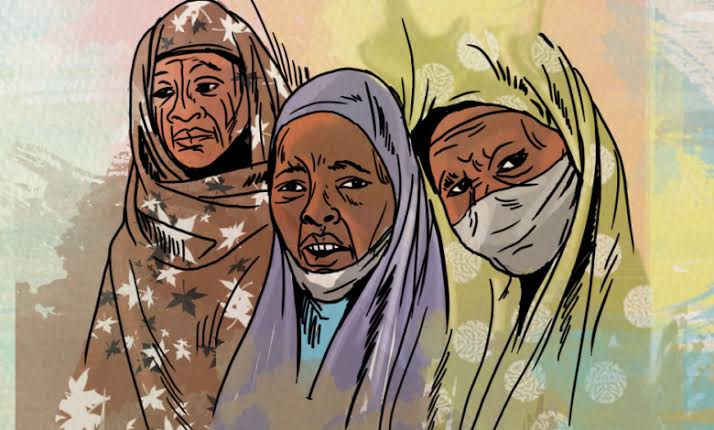
International Women's Day 2023
International Women's Day is a day dedicated to celebrating the social, economic, cultural, and political achievements of women. However, it is also a day to raise awareness about the challenges that women face and advocate for gender equality. In Northeast Nigeria, women face numerous challenges that threaten their survival. Gender inequality, healthcare barriers, and low education are some of the factors that have contributed to the survival struggles of women in this region. Gender inequality is one of the biggest issues that women in Northeast Nigeria face. Women are often treated as second-class citizens and denied equal opportunities in education, employment, and politics. This has had a significant impact on their economic and social well-being.
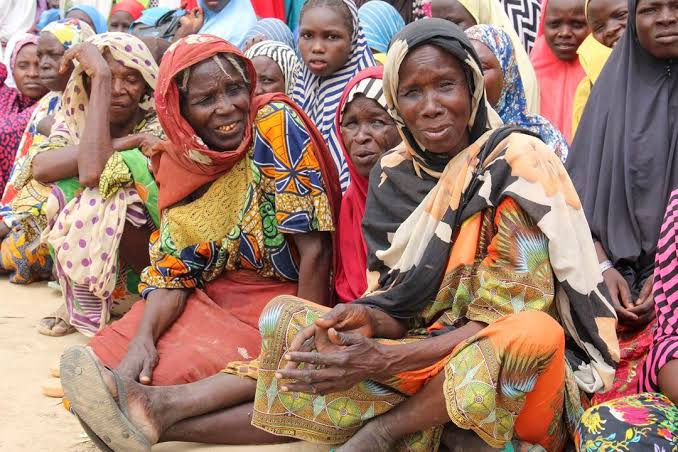
Women are often confined to traditional roles such as child-rearing and domestic work, and this limits their ability to access education and earn a living. In many cases, women are forced to rely on their husbands or male relatives for financial support, which makes them vulnerable to abuse and exploitation. The impact of gender inequality on women's survival in Northeast Nigeria is particularly evident in the region's ongoing conflict.
Women have been disproportionately affected by the conflict, as they are often targeted by armed groups and subjected to sexual violence. According to the United Nations, more than 22,000 women and girls have been abducted by Boko Haram since 2009, and many have been subjected to sexual slavery and other forms of abuse. Women who manage to escape the conflict often struggle to access basic services such as healthcare and education, which further limits their ability to survive.
Healthcare barriers are another significant challenge that women in Northeast Nigeria face. The region has some of the worst healthcare indicators in the world, with high maternal and infant mortality rates and limited access to basic healthcare services. Women in rural areas are particularly vulnerable, as they often have to travel long distances to access healthcare facilities. This can be difficult and expensive, especially for women who live in poverty or who lack the support of male relatives. As a result, many women in Northeast Nigeria give birth at home without medical assistance, which puts them and their babies at risk.
The impact of healthcare barriers on women's survival is evident in the region's high maternal mortality rates. According to the World Health Organization, Nigeria has one of the highest maternal mortality rates in the world, with an estimated 512 deaths per 100,000 live births. In Northeast Nigeria, the situation is even worse, with maternal mortality rates as high as 1,549 deaths per 100,000 live births. This is due to a range of factors, including poor access to healthcare, lack of skilled birth attendants, and cultural barriers that prevent women from seeking medical assistance. Low education levels are another challenge that women in Northeast Nigeria face.
According to the United Nations, only 23% of women in Northeast Nigeria are literate, compared to 57% of men. This limits their ability to access information, earn a living, and participate in decision-making processes. Women who are unable to read or write are more likely to be excluded from formal employment and may have limited opportunities to participate in political processes. This perpetuates the cycle of poverty and exclusion that many women in Northeast Nigeria experience.
The impact of low education levels on women's survival is evident in their limited access to information about healthcare, nutrition, and other essential services. Women who are unable to read or write may not be able to access important information about how to care for themselves and their families, which puts their health and well-being at risk. In addition, women who are excluded from formal employment are more likely to live in poverty and struggle to provide for their families.
One way to address gender inequality is to promote women's access to education and economic opportunities. This can be achieved through initiatives that provide scholarships and vocational training to girls and women, as well as policies that promote women's participation in the formal economy. Women's economic empowerment not only improves their economic well-being but also enhances their status and ability to make decisions that affect their lives and those of their families.
Addressing healthcare barriers requires significant investment in healthcare improving the availability and quality of healthcare facilities, training more skilled birth attendants, and providing better transportation networks to connect women in remote areas to healthcare facilities. Additionally, initiatives that raise awareness about the importance of maternal and child health, as well as family planning, can help reduce the incidence of preventable maternal and infant mortality.
To address low education levels among women, there is a need for more investment in education infrastructure and policies that prioritize girls' education. This includes increasing the number of schools in rural areas, providing access to school materials, and increasing the number of female teachers. Additionally, addressing cultural barriers to girls' education, such as early marriage, can improve their access to education and promote gender equality.
International Women's Day serves as a reminder of the importance of addressing gender inequality and promoting women's empowerment. Women in Northeast Nigeria face significant challenges that threaten their survival and well-being. By addressing the issues of gender inequality, healthcare barriers, and low education levels, we can work towards ensuring that women in this region have the opportunity to thrive and contribute to the development of their communities.
As we celebrate International Women's Day, it is important to remember that women's empowerment is not only a moral imperative but also a strategic investment in the development of societies. By promoting gender equality and addressing the challenges that women face, we can create a more just and prosperous world for all


Comments