
Neglected Tropical Diseases in Northeast Nigeria.
Neglected tropical diseases (NTDs) are a group of parasitic and bacterial infections that affect over one billion people globally, primarily in low-income and marginalized communities. North-East Nigeria is one of the regions in the world that is highly endemic for NTDs, and the burden of these diseases is significant.
Source: WHO Nigeria
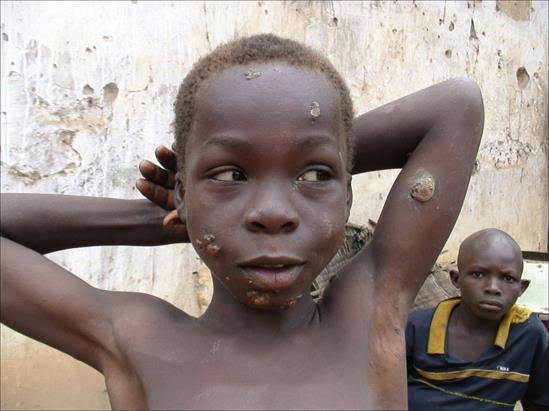
Lymphatic filariasis, also known as elephantiasis, is one of the most prevalent NTDs in North East Nigeria. This debilitating disease is caused by the parasite Wuchereria bancrofti and is transmitted by mosquitoes. Lymphatic filariasis leads to the swelling of the limbs and genitalia, causing significant disfigurement and discomfort, and can also lead to social stigma and exclusion.
Schistosomiasis is another NTD that affects people in North East Nigeria. It is caused by a parasitic worm and is transmitted through contaminated water. The disease can lead to chronic health problems such as abdominal pain, diarrhea, and blood in the urine. In severe cases, it can cause bladder cancer, liver damage, and damage to the reproductive organs.
Soil-transmitted helminthiasis is another NTD that is prevalent in North East Nigeria. It is caused by parasitic worms that are transmitted through contaminated soil. The disease leads to malnutrition, and impaired physical and cognitive development, and can also increase the risk of other infections.
Source: UNDP Nigeria
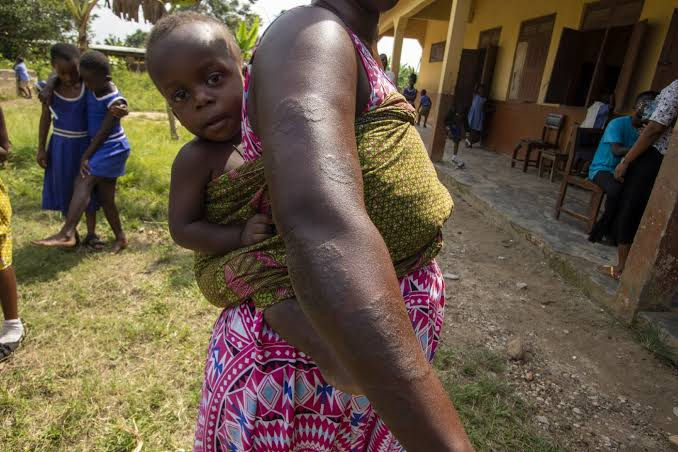
Onchocerciasis, also known as river blindness, is a debilitating NTD that is caused by a parasite and is transmitted through the bite of infected blackflies. The disease can lead to severe itching, skin lesions, and in severe cases, blindness. Onchocerciasis is a significant public health problem in North East Nigeria, and it can cause significant economic and social harm to affected communities.
The burden of NTDs in North East Nigeria is significant and affects not only the health of individuals but also the economic and social development of communities. NTDs can lead to poverty and exclusion, as people are unable to work and provide for their families due to their illness. They also increase the risk of other infections and can contribute to malnutrition and impaired physical and cognitive development, particularly in children.
The good news is that NTDs are preventable and treatable. To curb Neglected Tropical Diseases (NTDs) in North East Nigeria can be achieved through the following measures:
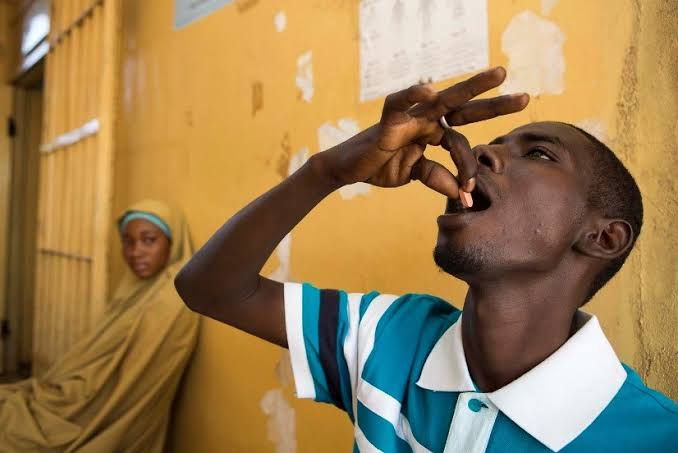
Mass Drug Administration (MDA): MDA involves the distribution of drugs to entire communities to prevent the spread of NTDs. This approach has been successful in controlling the spread of NTDs and reducing the burden of these diseases in many countries.
Source: WHO Regional Office in Africa
improved sanitation and hygiene: Improving sanitation and hygiene practices, such as the use of latrines, handwashing, and safe disposal of human waste, can help to reduce the transmission of NTDs.
Water, sanitation,n, and hygiene (WASH) interventions: WASH interventions such as improving access to clean water sources and sanitation facilities can help to reduce the transmission of NTDs, particularly those caused by contaminated water, such as schistosomiasis.
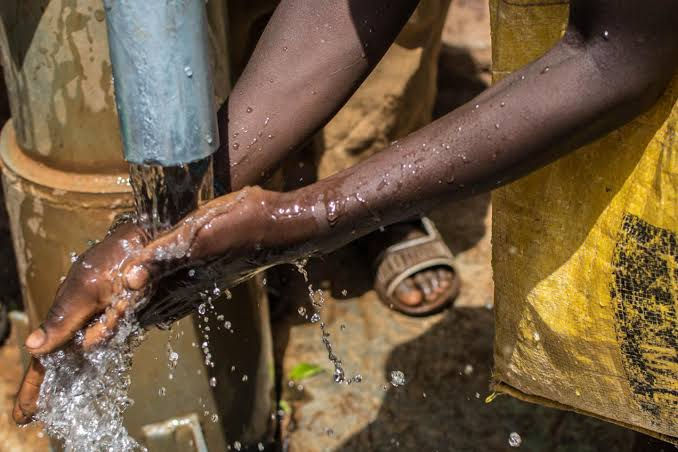
Source: UNICEF
Vector control: Vector control measures, such as the use of insecticide-treated bed nets and the elimination of breeding sites for mosquitoes and blackflies, can help to reduce the transmission of NTDs.
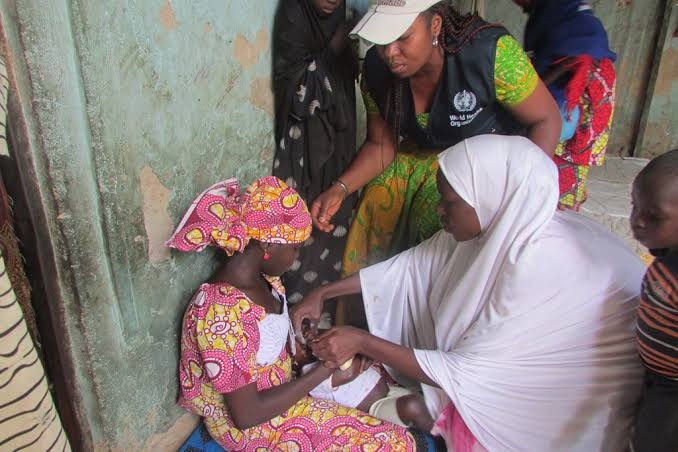
Source: Un Agency
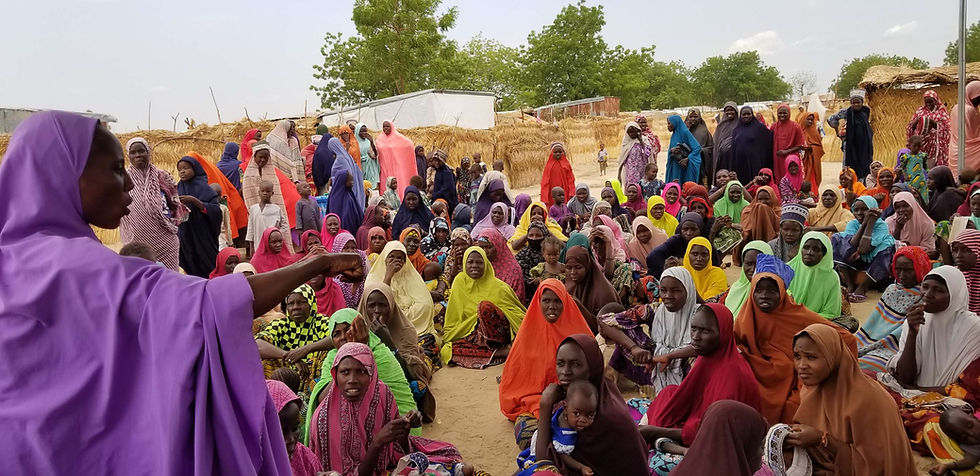
Health education and community engagement: Health education and community engagement are crucial in raising awareness about NTDs, their transmission, and prevention. This can help to reduce the spread of NTDs and improve the health and well-being of communities.
Integrated NTD control programs: Integrated NTD control programs that bring together different interventions and stakeholders can help to improve the effectiveness of NTD control efforts.
Increased funding and political commitment: Increased funding and political commitment are crucial in ensuring that NTD control efforts are sustained and scaled up to reach all communities in need.
In conclusion, curbing NTDs in North East Nigeria requires a comprehensive approach that brings together multiple interventions and stakeholders. With the implementation of effective strategies, we can reduce the burden of NTDs and improve the health and well-being of communities in North East Nigeria.


Comments