
Preventing Cancer in Northeast Nigeria: A Public Health Challenge
Cancer is a global public health problem that affects millions of people worldwide. In Nigeria, cancer is the second leading cause of death, with approximately 78,000 new cases and 60,000 deaths reported each year. The Northeast region of Nigeria, in particular, has a high burden of cancer, with a growing incidence of several types of cancers, including breast, cervical, prostate, and liver cancer. In this blog post, we will discuss the current situation of cancer in Northeast Nigeria and some of the ways to prevent cancer in the region.
Understanding the cancer situation in Northeast Nigeria
Northeast Nigeria has a population of approximately 25 million people and covers six states: Adamawa, Bauchi, Borno, Gombe, Taraba, and Yobe. The region is one of the poorest in the country and has limited access to quality healthcare services, including cancer diagnosis and treatment. This, in turn, results in a high mortality rate due to cancer and a low rate of survival. In addition, the region is affected by ongoing conflict and displacement, which further exacerbates the health problems in the region.

Breast cancer is the most common cancer in women in Northeast Nigeria, followed by cervical cancer. Prostate cancer is the most common cancer in men, while liver cancer is also a significant health problem in the region. The high incidence of cancer in Northeast Nigeria can be attributed to several factors, including a lack of cancer awareness and education, low levels of screening and early detection, and limited access to quality cancer care.
Ways to prevent cancer in Northeast Nigeria
Preventing cancer in Northeast Nigeria requires a comprehensive approach that addresses the underlying factors that contribute to the high incidence of cancer in the region. Some of the ways to prevent cancer in Northeast Nigeria are:
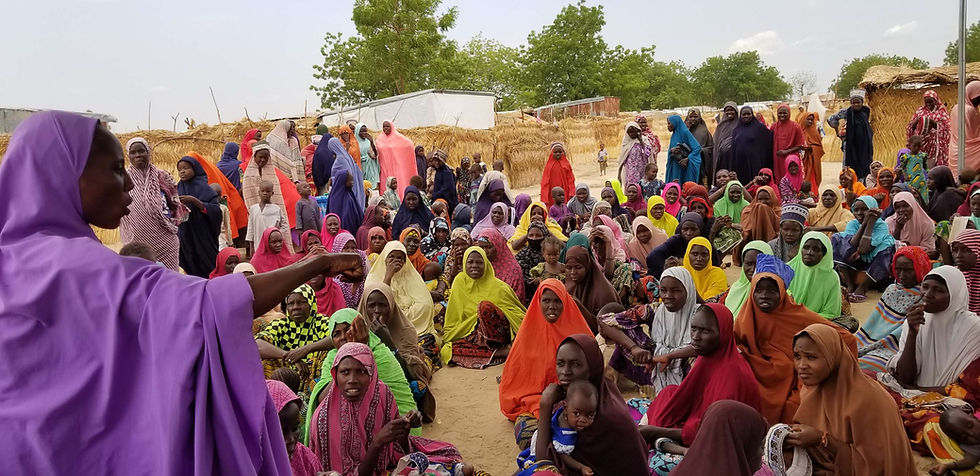
Cancer education and awareness: One of the most effective ways to prevent cancer is through education and awareness programs that educate the public about the causes, symptoms, and prevention of cancer. This can help people to make informed decisions about their health and to seek early medical attention if they suspect that they may have cancer.

Source: Channels News
Screening and early detection: Screening and early detection are critical components of cancer prevention. Regular cancer screening can help to detect cancer in its early stages, when it is more treatable.

Source: Medicine Sans Frontiers
Improved access to quality cancer care: Access to quality cancer care is essential for the successful treatment of cancer. In Northeast Nigeria, there is a shortage of trained healthcare workers, limited access to diagnostic and treatment facilities, and a shortage of essential medicines and supplies. To address this, there is a need for investment in the development of healthcare infrastructure and the training of healthcare workers to provide quality cancer care.
Lifestyle modifications: Lifestyle modifications, such as maintaining a healthy diet, engaging in regular physical activity, avoiding tobacco and excessive alcohol consumption, and reducing exposure to environmental toxins, can help to reduce the risk of cancer. These lifestyle changes can be promoted through health education programs and community-based interventions.
Strengthening the healthcare system: A well-functioning healthcare system is critical to the success of any cancer prevention and control program. In Northeast Nigeria, the healthcare system is challenged by ongoing conflict, limited resources, and a shortage of trained healthcare workers. To address these challenges, there is a need for investment in the strengthening of the healthcare system, including the development of healthcare infrastructure and the training of healthcare workers.
The prevention of cancer in Northeast Nigeria requires a concerted effort from all stakeholders, including government agencies, healthcare providers, non-government organizations, and the community. The region is facing a growing burden of cancer, with limited access to quality cancer care and a shortage of trained healthcare workers. Addressing these challenges requires investment in the healthcare system, including the development of healthcare infrastructure and the training of healthcare workers.
Additionally, promoting awareness and education about cancer, increasing access to screening and early detection, and promoting healthy lifestyles through health education programs and community-based interventions can help to reduce the risk of cancer in the region. It is also important to note that preventing cancer is not just the responsibility of the healthcare system but also of individuals. Each person has a role to play in reducing their risk of developing cancer through lifestyle modifications and seeking regular screening.
In the face of ongoing conflict in the region, it is also crucial to address the underlying social and economic determinants of health that contribute to the high burden of cancer in Northeast Nigeria. This includes addressing poverty, promoting gender equality, improving access to education, and improving the overall quality of life in the region.
In conclusion, the prevention of cancer in Northeast Nigeria requires a comprehensive, multi-sectoral approach that addresses the underlying social and economic determinants of health, as well as the healthcare system and individual behaviors. By working together, it is possible to raise awareness, increase access to screening and quality cancer care, and promote healthy lifestyles to reduce the risk of cancer in the region and improve the health and well-being of communities in Northeast Nigeria.


Comments