
Promoting Sexual and Reproductive Health in Northeast Nigeria
Northeast Nigeria has been embroiled in a protracted conflict and humanitarian crises for several years, leaving many individuals in the region facing significant challenges related to their sexual and reproductive health. The region has one of the highest maternal and infant mortality rates in Nigeria, with limited access to quality healthcare services. As such, there is a pressing need to promote sexual and reproductive health in Northeast Nigeria, which is the focus of this blog post.

Barriers to Sexual and Reproductive Health in Northeast Nigeria
Several factors contribute to the low level of sexual and reproductive health in Northeast Nigeria. These include cultural and religious beliefs, inadequate access to quality healthcare services, and the stigma associated with seeking sexual and reproductive health services.
Cultural and Religious Beliefs: Cultural and religious beliefs are deeply ingrained in Northeast Nigeria, and these have a significant impact on the population's sexual and reproductive health. Many individuals in the region believe that discussing sexual and reproductive health is taboo, and seeking such services is seen as shameful. This has resulted in limited knowledge about sexual and reproductive health, leading to high rates of unplanned pregnancies, sexually transmitted infections, and maternal and infant mortality.
Inadequate Access to Quality Healthcare Services: The healthcare system in Northeast Nigeria is characterized by inadequate infrastructure, a shortage of skilled healthcare personnel, and limited resources. This has made it difficult for individuals in the region to access quality healthcare services, including sexual and reproductive health services. As a result, many individuals resort to traditional and unregulated methods, which are often unsafe and can lead to severe health consequences
Stigma Associated with Seeking Sexual and Reproductive Health Services: Stigma associated with seeking sexual and reproductive health services is another significant barrier to promoting sexual and reproductive health in Northeast Nigeria. Many individuals in the region fear discrimination and judgment from healthcare providers and other community members, which discourages them from seeking these services. This has led to low rates of contraceptive use, limited access to antenatal care, and high rates of maternal and infant mortality.
Promoting Sexual and Reproductive Health in Northeast Nigeria
To promote sexual and reproductive health in Northeast Nigeria, several strategies need to be implemented. These include improving access to quality healthcare services, promoting education and awareness about sexual and reproductive health, and reducing stigma associated with seeking sexual and reproductive health services.
Improving Access to Quality Healthcare Services: Improving access to quality healthcare services is critical to promoting sexual and reproductive health in Northeast Nigeria. This can be achieved through the provision of well-equipped healthcare facilities and trained healthcare personnel. Furthermore, healthcare services need to be made affordable and accessible to individuals in the region, particularly those in rural areas.
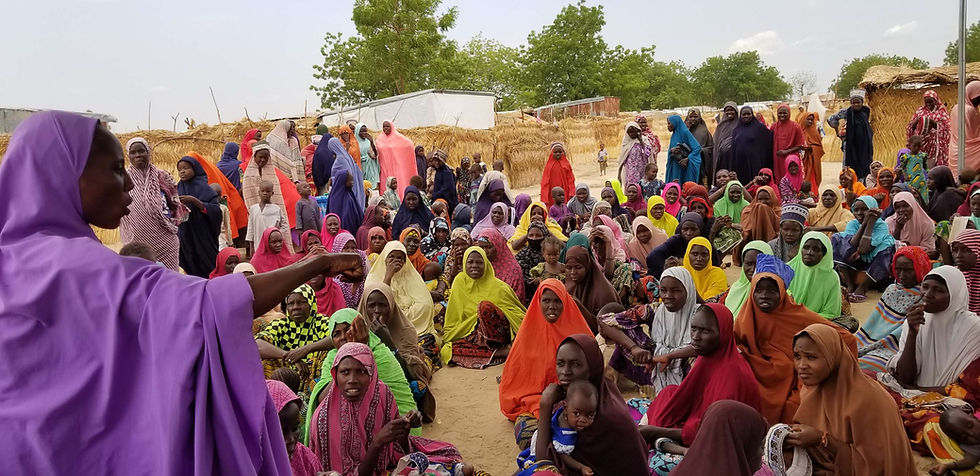
Promoting Education and Awareness about Sexual and Reproductive Health: Promoting education and awareness about sexual and reproductive health is vital to improving the sexual and reproductive health of individuals in Northeast Nigeria. This can be achieved through community-based education programs, workshops, and campaigns. These initiatives can provide individuals with information about sexual and reproductive health, contraceptive methods, and the importance of seeking antenatal care.
Reducing Stigma Associated with Seeking Sexual and Reproductive Health Services: Reducing the stigma associated with seeking sexual and reproductive health services is crucial to promoting sexual and reproductive health in Northeast Nigeria. This can be achieved through the provision of confidential and non-judgmental healthcare services. Additionally, community-based campaigns and education programs can help to reduce the stigma associated with seeking sexual and reproductive health services.
In conclusion, promoting sexual and reproductive health in Northeast Nigeria is essential to reducing the high rates of maternal and infant mortality and improving the well-being of individuals in the region. This requires addressing the various barriers that exist, including cultural and religious beliefs, inadequate access to quality healthcare services, and the stigma associated with seeking sexual and reproductive health services. By improving access to quality healthcare


Comments